Personality: 40-item Chinese Big Five Inventory
Explore five personality traits. For a shorter overview, look for the 15-item version; use the same version when comparing results over time.
Browse assessments by topic, including personality, mental health, and career development. Choose a category or search by keyword to find a test that interests you.
58 free tests · English and Chinese · Results after completion

The current version of the Symptom Checklist-90 (SCL-90) was developed by Derogatis in 1973. He later developed a 51-item version, the Brief Symptom Inventory (BSI), whose use has also become increasingly widespread.

The Self-Rating Depression Scale (SDS), developed by Zung and colleagues in 1965, is used in counseling, screening and severity assessment of depressive symptoms, and psychopharmacology research. Its simplicity has led to widespread use in China and internationally.

The Self-Rating Anxiety Scale (SAS), developed by Zung in 1971, measures the severity of anxiety and changes during treatment.

Developed by American psychologist A. T. Beck, the Beck Depression Inventory (BDI) is widely used in clinical epidemiological research.

The Pittsburgh Sleep Quality Index (PSQI) assesses sleep quality over the past month.
Assesses smartphone addiction tendencies and is widely used with adolescents and university students.
Assesses anxiety and fear when your phone is unavailable or cannot be used.

Assesses family cohesion and adaptability and identifies balanced, mid-range, or extreme family patterns.

Assesses four types of solitary behavior: positive solitude, social withdrawal, social avoidance, and loneliness.

Assesses trust in the reliability of others' behavior, promises, or statements.

The 40-item Chinese Big Five Personality Inventory Brief Version (CBF-PI-B), developed by Wang Mengcheng, Dai Xiaoyang, and colleagues, assesses neuroticism, conscientiousness, agreeableness, openness, and extraversion.

The 15-item Chinese Big Five Personality Inventory (CBF-PI-15), developed by Wang Mengcheng, Zhang Xintong, and colleagues, provides a quick assessment of neuroticism, conscientiousness, agreeableness, openness, and extraversion.

Developed by Luo Jie and Dai Xiaoyang, the 20-item BFFP-CAS uses paired opposing adjectives to measure five broad personality traits.

Developed by Yang Jie and Dai Xiaoyang, the Zhongyong Practical Thinking Scale assesses everyday use of zhongyong thinking across appropriateness and moderation, inner and outer harmony, and yin–yang transformation.

Developed by Soto and John and adapted into Chinese by Zhang Bo, Li Jian, and colleagues, the 60-item BFI-2 measures five broad personality traits and 15 facets.

The Trait Meta-Mood Scale (TMMS), developed by Salovey and Mayer and adapted into Chinese by Wei Jia and colleagues, measures emotional attention, emotional clarity, and mood repair.

The Brief Symptom Inventory-18 (BSI-18), developed by Derogatis from SCL-90, is a short questionnaire for screening mental health problems in clinical and community populations.

The CES-D, developed by Radloff at the US National Institute of Mental Health in 1977, is widely used in epidemiological surveys to screen for depressive symptoms.

Developed by Blatt and colleagues in 1976, the DEQ measures two dimensions of depressive experience: anaclitic and introjective depression.

The Geriatric Depression Scale–15 (GDS-15) is a screening tool for depression in older adults, developed by Sheikh and Yesavage in 1986 from the standard 30-item scale.
Developed by Zigmond and Snaith in 1983, HADS mainly screens for anxiety and depression among general hospital patients.

The State–Trait Anxiety Inventory (STAI), developed by Charles D. Spielberger and colleagues, distinguishes temporary anxiety from a relatively stable tendency to feel anxious.

The Social Avoidance and Distress Scale (SAD) assesses tendencies to avoid social interaction and feelings of distress in social situations.

The Spence Children's Anxiety Scale — Parent Report (SCAS-P), developed by Spence in 1999, assesses anxiety symptoms and their severity in children aged 7–13.

The Spence Children's Anxiety Scale — Short Version (SCAS-S), developed by Ahlen and colleagues in 2018 and revised by Gong Jie, Wang Mengcheng, and colleagues, assesses childhood anxiety symptoms and their severity.

Developed by Colins and colleagues in 2014, the CPTI assesses psychopathic traits in children aged 3–12.
The Triarchic Psychopathy Measure (TriPM), developed by Patrick and colleagues in 2009, assesses psychopathic traits in adults.

The 19-item Levenson Self-Report Psychopathy Scale (LSRP-19) was revised by Shou and colleagues in 2016 for university student samples.

The 26-item Levenson Self-Report Psychopathy Scale (LSRP-26) is the original Levenson scale. Wang and colleagues validated it among Chinese prison inmates in 2018.

The Inventory of Callous-Unemotional Traits (ICU), developed by Frick in 2004, assesses CU traits in children and adolescents.

Developed by Caputo and colleagues in 1999, the APSD-SR assesses psychopathic traits in adolescents aged 13–18.
Developed by Patton and colleagues in 1995, the BIS-11 assesses impulsiveness.

Distinguishes reactive from proactive aggression in children and adolescents

Measures admiration and rivalry as two distinct components of narcissism

The Life Events Scale (LES) records which life events you have experienced and how strongly they affected you over a given period.
The Simplified Coping Style Questionnaire (SCSQ) assesses responses to stress across positive and negative coping dimensions.

The Coping Style Questionnaire (CSQ) assesses responses to stress in six areas: problem-solving, self-blame, seeking support, fantasy, avoidance, and rationalization.

The Social Support Rating Scale (SSRS) assesses support systems across subjective support, objective support, and use of support.
The Adolescent Social Support Scale (ASSS) assesses young people's support systems across subjective support, objective support, and use of support.

Assess intimacy, security, independence, and communication in romantic relationships to understand your relationship style.
Assess your emotional intelligence across self-awareness, emotion management, self-motivation, empathy, and relationships.
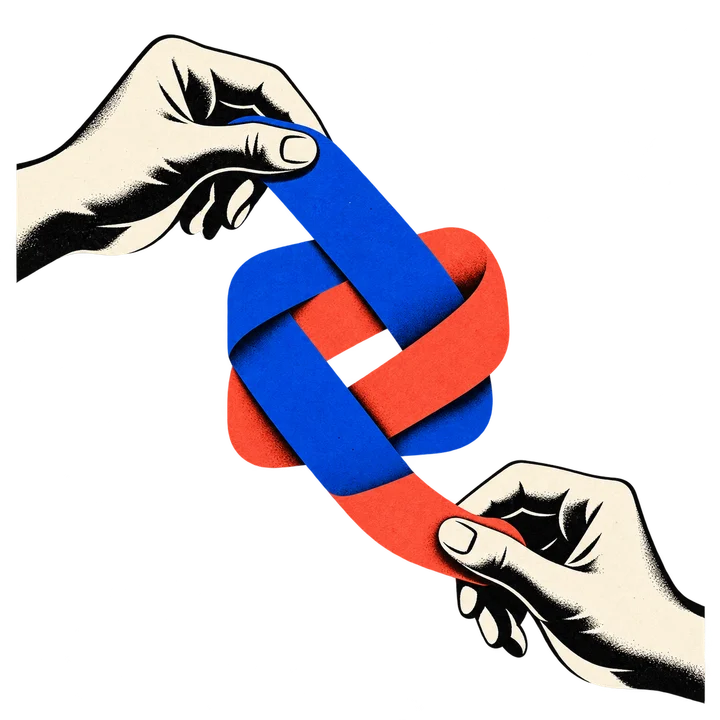
Assess your relationship in five areas: trust, communication quality, emotional connection, closeness, and commitment.
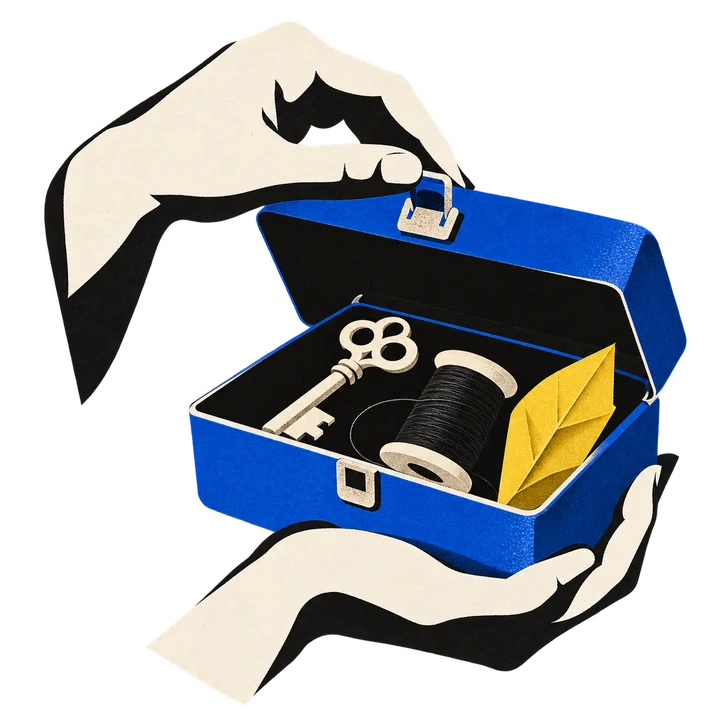
The EFLRI quantifies the resources a person brings to a relationship across 11 dimensions: appearance, physique, sexual health, physical health, personality, mental health, responsibility, ability, profession/career, income, and family background.

The partner-rating version of the EFLRI assesses the resources a partner brings to a relationship across 11 dimensions: appearance, physique, sexual health, physical health, personality, mental health, responsibility, ability, profession/career, income, and family background.

Using 15 specific situations, this scale assesses jealousy in intimate relationships. It covers a partner's interactions with the opposite sex and captures emotional responses to different scenarios.

Based on Lee's Color Theory of Love, LAS-42 assesses attitudes and behavioral tendencies in romantic relationships.

The Ideal Partner Scale (IPS) assesses how much importance you place on different qualities in an ideal partner, helping you understand your standards.

This 40-question multiple-choice IQ test assesses intelligence across logical reasoning, mathematical calculation, language comprehension, and abstract thinking.

This 40-question multiple-choice test assesses logical thinking in four areas: reasoning, spatial thinking, numerical reasoning, and abstract thinking.

This 50-item self-assessment explores potential talents in creativity, interpersonal skills, logical analysis, artistic sensitivity, and verbal expression.

This 40-item self-assessment explores your stress level and sources across psychological stress, physical reactions, social stress, and work or study stress.
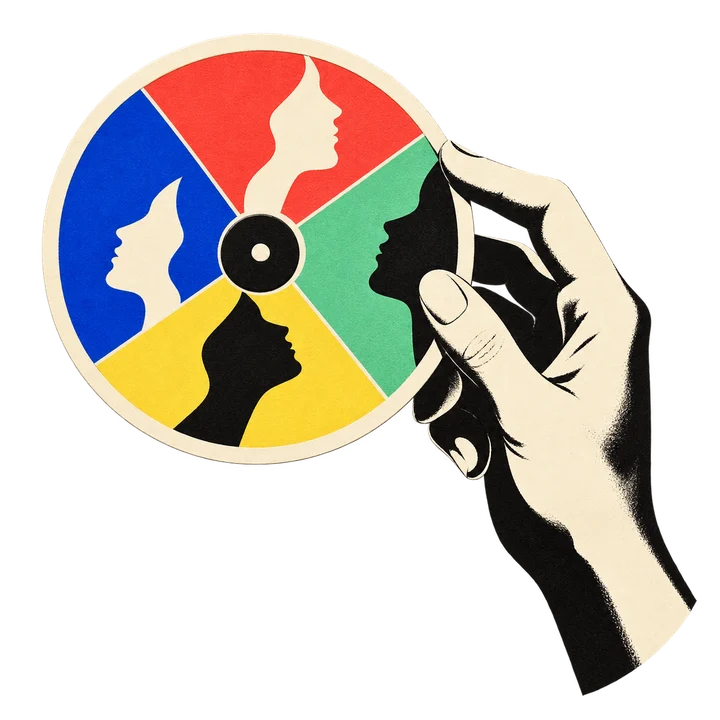
This 40-item self-assessment explores red, blue, yellow, and green personality tendencies.

This 32-item self-assessment explores emotional traits, social tendencies, behavior patterns, and thinking style, then matches you with an animal type.

Based on the Big Five model, this 50-item self-report test assesses your personality and matches it with the zodiac sign that best fits your profile.
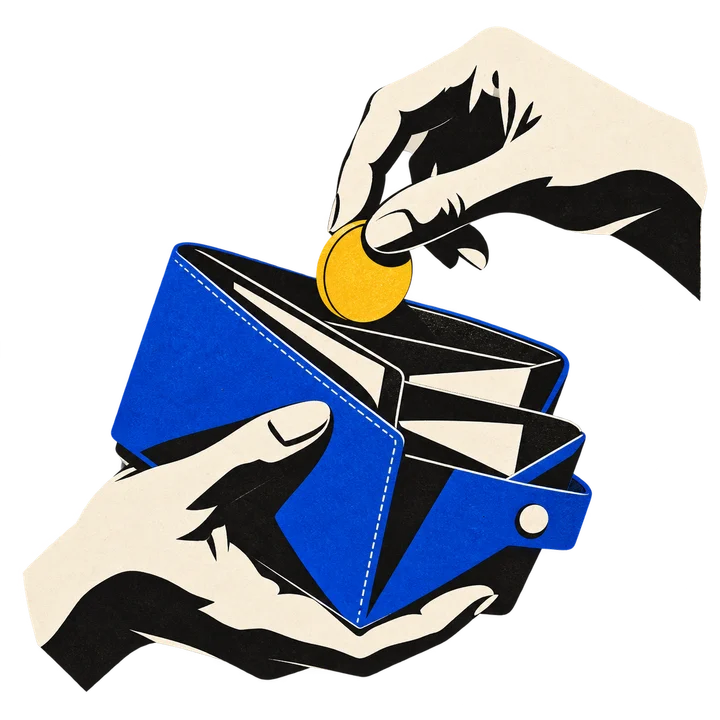
This 20-item self-assessment examines basic financial knowledge, investment approach, risk awareness, and financial planning.

Assesses negative expectations about the future and is an important tool in clinical suicide risk assessment.

A broad assessment of feelings of inadequacy, self-esteem, and social anxiety.

A classic measure of overall self-esteem.
Start with what you want to understand. Psychological assessment is the umbrella term for these questionnaires, while a psychology test is one specific set of items. A longer questionnaire gives more detail, but its purpose and response timeframe matter more than its length.
Explore five personality traits. For a shorter overview, look for the 15-item version; use the same version when comparing results over time.
This 90-item checklist covers a broad range of recent psychological symptoms. For a more focused question, browse the separate anxiety or depression questionnaires.
Ten questions about smartphone use and its effects on daily life. The score is a prompt to reflect on habits, not proof of an addiction.
Compare positive and negative coping patterns. The separate 62-item CSQ provides a more detailed profile across six coping dimensions.
The collection includes research questionnaires and informal quizzes. Read the description and limitations before starting. Mental health scores do not establish a diagnosis; persistent distress or difficulties in daily life deserve professional attention.