1. Start from a question
Start from what you want to understand — sleep, anxiety, low mood — then pick the scale that matches it, not the one with the most famous name.
Personality, emotions, relationships. Start with what matters to you.
Explore five dimensions of personality.
Explore the test
Explore how you see yourself.

Reflect on your relationship.
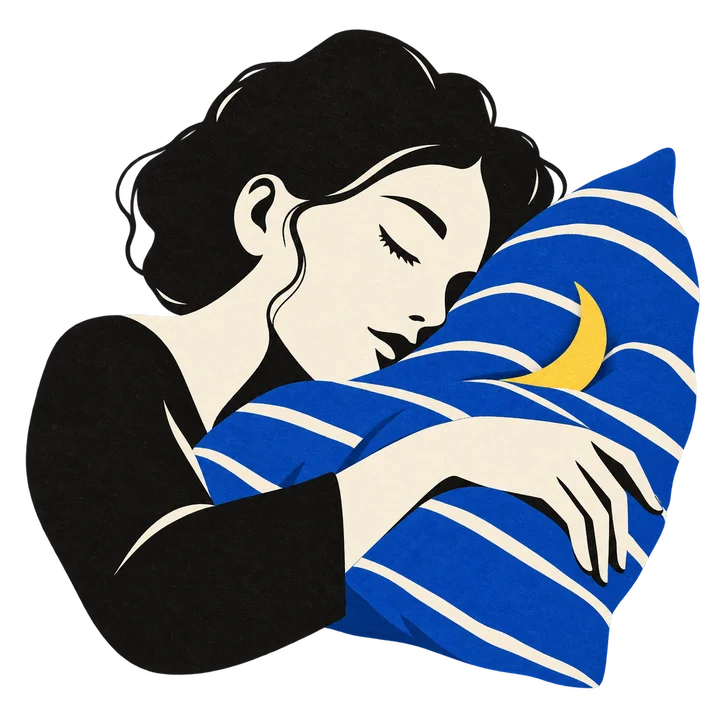
The Pittsburgh Sleep Quality Index (PSQI) assesses sleep quality over the past month.

The Self-Rating Anxiety Scale (SAS), developed by Zung in 1971, measures the severity of anxiety and changes during treatment.

Developed by Soto and John and adapted into Chinese by Zhang Bo, Li Jian, and colleagues, the 60-item BFI-2 measures five broad personality traits and 15 facets.
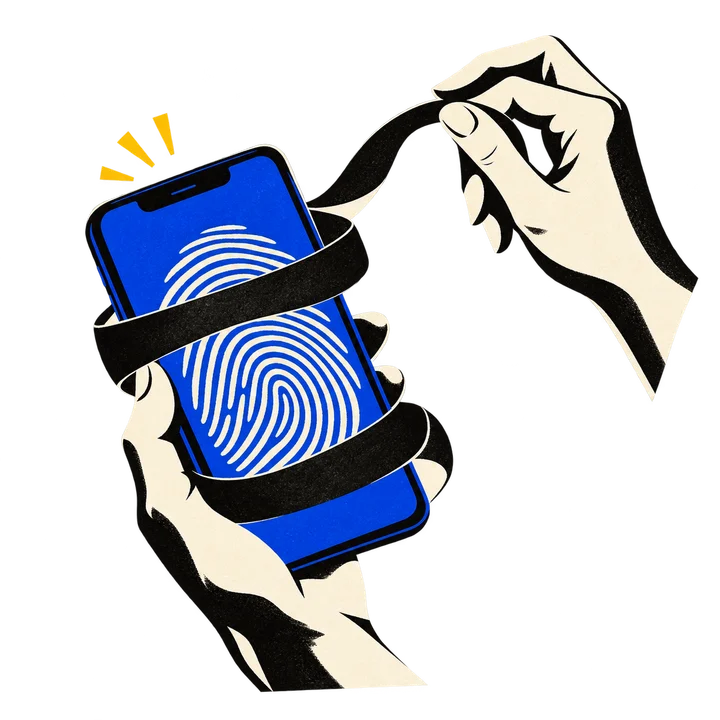
Assesses smartphone addiction tendencies and is widely used with adolescents and university students.
Pick a question you care about, answer honestly, and read the explanation together with your scores. A number on its own is easy to misread.
Start from what you want to understand — sleep, anxiety, low mood — then pick the scale that matches it, not the one with the most famous name.
Answer for how things have actually been recently. A scale measures the frequency you report, not the person you wish you were.
Read the guide under the test and the knowledge articles before deciding whether to retake it or talk to someone about it.
A score describes how often you reported certain experiences recently. It is useful for noticing patterns and preparing a conversation.
It cannot diagnose a condition or judge a person. A high score is a reason to look closer, not a verdict.
58 Available Tests · 1737 Assessment Questions · 2 Languages
About this site Learn More Contact us We’d Love to Hear from You